


A car accident can leave more than physical injuries behind. Emotional distress, including anxiety, PTSD, and amaxophobia (fear of driving), can affect sleep, work, relationships, and daily routines long after the crash. What Does Emotional Distress Look Like? After a collision, people may feel shock, sadness, fear, irritability, or anger. Some develop recurring nightmares, flashbacks, or a persistent sense of being on edge, while others begin avoiding roads, traffic, or riding in vehicles altogether. In some cases, these reactions rise[…] Read More
Blog
What Are the Most Common Burn Injuries in the Workplace?

Burn injuries are among the most serious and life-altering workplace accidents employees can suffer. From construction sites and commercial kitchens to laboratories and manufacturing plants, workers across many industries in New Jersey face daily exposure to burn hazards. Understanding the most common types of workplace burn injuries and how they occur can help employees recognize risks and take action if an accident happens. The Three Most Common Types of Workplace Burns Workplace burn injuries are generally categorized into three primary[…] Read More
Can a Hypoxic Brain Injury Occur After a Car Accident?
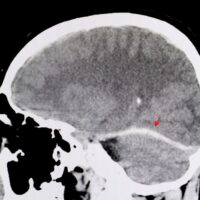
Car accidents can cause a wide range of injuries, from broken bones to concussions. But not all serious injuries involve direct physical trauma. Hypoxic brain injury is a dangerous condition caused by reduced oxygen to the brain that can be caused by some car crashes. Although less obvious than a head injury, the consequences can be just as severe, if not more so. What Is a Hypoxic Brain Injury? A hypoxic brain injury occurs when the brain does not receive[…] Read More