

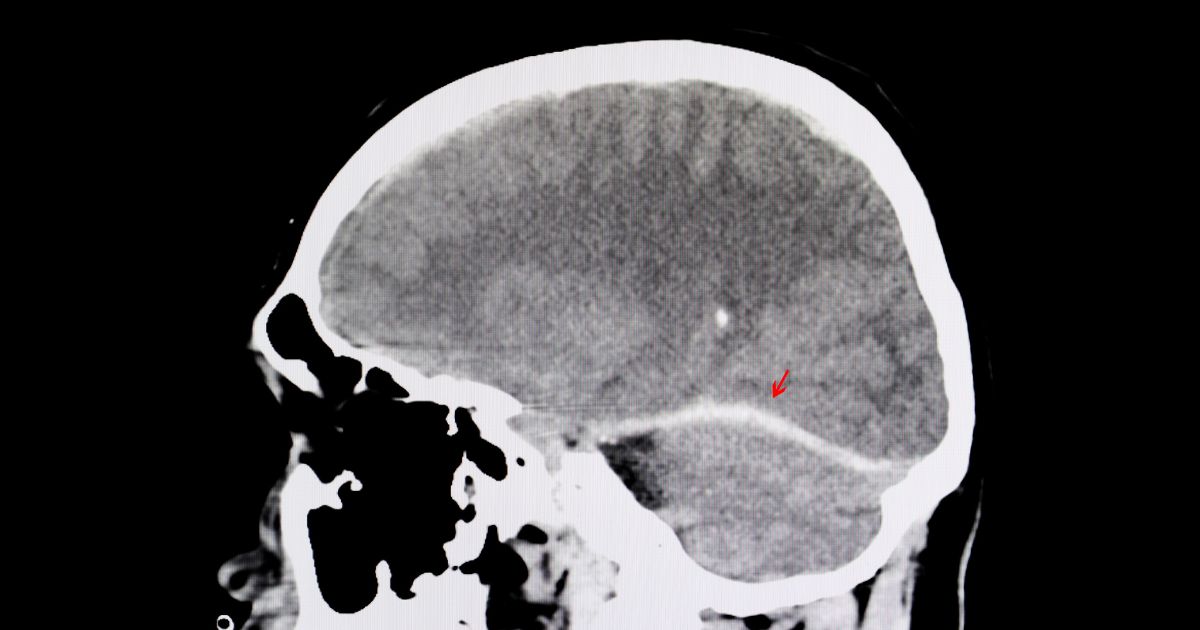
Car accidents can cause a wide range of injuries, from broken bones to concussions. But not all serious injuries involve direct physical trauma. Hypoxic brain injury is a dangerous condition caused by reduced oxygen to the brain that can be caused by some car crashes. Although less obvious than a head injury, the consequences can be just as severe, if not more so.
What Is a Hypoxic Brain Injury?
A hypoxic brain injury occurs when the brain does not receive enough oxygen to function properly. Unlike an anoxic injury, where oxygen is completely cut off, hypoxia involves a partial reduction in oxygen supply.
The brain is extremely sensitive to oxygen deprivation. Even a few minutes of reduced oxygen can lead to cell damage, and prolonged deprivation can cause permanent injury or death. Any disruption to the flow of blood can have serious consequences for brain cells.
How Can a Car Accident Lead to Hypoxia?
Although hypoxic brain injuries are often associated with medical emergencies such as cardiac arrest, they can absolutely occur in the aftermath of a motor vehicle accident. Traumatic events such as car crashes are recognized causes of oxygen deprivation injuries.
Several accident-related factors may interfere with oxygen delivery to the brain:
- Severe blood loss or shock: Reduced blood flow means less oxygen reaches the brain.
- Airway obstruction: Injuries to the chest, neck, or throat can impair breathing.
- Cardiac complications: The trauma of a crash can disrupt heart function.
- Lung damage: Injuries may prevent proper oxygen exchange.
- Smoke inhalation: Fires following collisions can limit oxygen intake or introduce toxic gases.
- Brain bleeding or swelling: Internal injuries can restrict oxygen flow within the brain itself.
Even if there is no direct blow to the head, the brain may still suffer injury because of a lack of oxygen.
Why Are These Injuries Are Often Missed?
One of the most concerning aspects of hypoxic brain injuries is how easily they can go undetected. Unlike traumatic brain injuries caused by impact, hypoxic injuries may not present immediate or obvious symptoms.
After a crash, adrenaline can mask early warning signs. Additionally, oxygen deprivation may occur briefly at the scene without being fully recognized at the time, such as during a period of unconsciousness or impaired breathing.
Because of this, symptoms may not appear until hours or even days later, making diagnosis more challenging.
What Are the Symptoms of Hypoxic Brain Injury?
Common symptoms of hypoxia vary but may include:
- Confusion or disorientation
- Memory loss or difficulty concentrating
- Problems with speech or communication
- Loss of coordination or balance
- Mood or personality changes
- Loss of consciousness in severe cases
These symptoms reflect the widespread nature of hypoxic damage. Unlike localized traumatic injuries, oxygen deprivation can affect multiple areas of the brain at once.
What Are the Long-Term Consequences of Hypoxic Brain Injury?
Hypoxic brain injuries can have lasting and life-altering effects. Brain cells begin to die within minutes of oxygen deprivation, and the longer the interruption, the more severe the damage.
Some individuals may recover partially with rehabilitation, but others experience permanent cognitive, physical, or emotional impairments. In severe cases, hypoxic injuries can result in coma, long-term disability, or death.
Recovering Compensation for Hypoxic Brain Injury
Hypoxic brain injuries can be complex, and because they may not involve visible trauma or immediate symptoms, they are often disputed by insurance companies.
However, the absence of obvious personal injury does not make the condition any less real. Establishing a connection between the accident and the oxygen deprivation is critical. This may require:
- Medical records and expert evaluations
- Evidence of breathing impairment or blood loss
- Analysis of how the crash occurred
When another party’s negligence causes or contributes to the accident, victims may be entitled to compensation for medical expenses, lost wages, and pain and suffering. If you or a loved one experiences unusual neurological symptoms after a crash, seeking immediate medical attention is essential. Early diagnosis and treatment can make a significant difference in both recovery and protecting your legal rights.
Atlantic County Car Accident Lawyers at D’Amato Law Firm Provide Experienced Counsel After an Accident
The Atlantic County car accident lawyers at D’Amato Law Firm fight to get our clients the compensation they need to recover from their accident injuries. Our experienced legal team will give you the help you need to move forward. Reach out by messaging us online or by calling us today at 609-926-3300. Our office is located in Egg Harbor Township, New Jersey, and we serve clients in the surrounding areas.