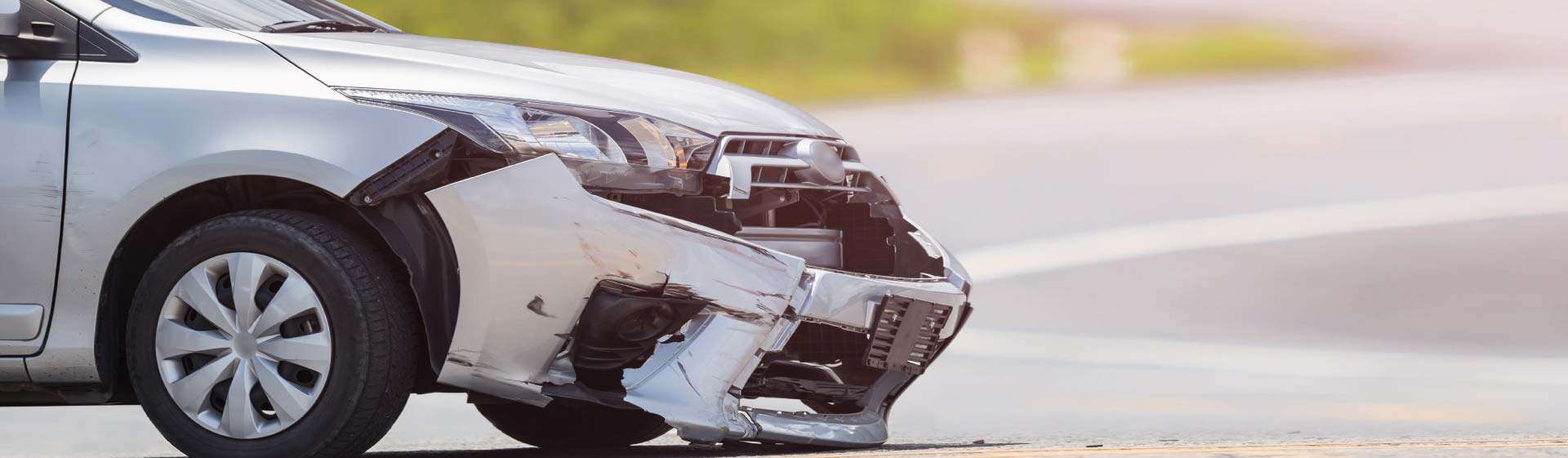
Car accidents are traumatic events that can instantly turn a victim’s life upside down. While some crashes are simply unfortunate coincidences brought about by sudden, external forces, the vast majority occur because of negligence, recklessness, or malicious intent. These incidents often involve complex factors that require thorough investigation to determine liability and assess the full extent of the damages.
Key Takeaways:
Prompt Action Is Critical: Gathering evidence quickly is essential for building a strong claim and preserving vital information.
Liability Is Nuanced: New Jersey utilizes a “modified comparative negligence” system, meaning you can still recover damages as long as your percentage of fault does not exceed the fault of the other parties.
Compensation Covers Multiple Damages: Victims can pursue recovery for both “economic” losses (like medical bills and lost wages) and “non-economic” losses (like pain and suffering).
Hyperlocal Knowledge Matters: Navigating specific South Jersey traffic patterns and local court systems requires a legal professional intimately familiar with the region.
Do Car Accidents Occur Often in South Jersey?
Traffic collisions are unfortunately common throughout the region. There were 547 fatal traffic crashes across the state in 2025, which tragically resulted in 582 fatalities (including 175 pedestrian deaths and 299 driver fatalities).
While New Jersey drivers may travel fewer miles than motorists in larger states like Pennsylvania or New York, the state’s high population density creates heavily congested roadways. New Jersey ranks first in population density nationally, leading to packed highways and bustling rural routes.
Furthermore, wineries, breweries, and farms draw heavy commercial truck traffic into the central and southern parts of the state. During the spring and summer months, massive influxes of tourists travel to shore towns like Ocean City, Atlantic City, and Cape May, and this combination of commuter traffic, commercial transport, and seasonal tourism creates an environment where collisions are a constant and significant threat.
Dangerous Roads and Intersections in South Jersey
Certain routes and intersections in South Jersey present heightened risks for motorists. Some notoriously dangerous areas include the following roadways:
Glassboro Road and Fries Mill Road: Located in Gloucester County, this intersection has a history of collisions, prompting recent municipal initiatives to widen the intersection, update traffic signals, and add dedicated turn lanes to improve safety.
Route 130: Long recognized as one of the most hazardous stretches in the state, this highway is heavily utilized by commercial trucks and local commuters, leading to frequent rear-end and side-impact crashes.
The White Horse Pike (U.S. 30) and Black Horse Pike (U.S. 322): These critical arteries connecting the Philadelphia metro area to the Jersey Shore are prone to severe congestion and aggressive driving, particularly during the peak summer tourist season.
Specific Issues Facing South Jersey Drivers
Motorists traveling through the southern half of the state must navigate a variety of uniquely challenging conditions:
Major Highways
Interstates like I-295, the New Jersey Turnpike, and the Garden State Parkway demand high-speed vigilance. Drivers exiting these fast-paced arteries onto local surface streets often fail to adjust their speed quickly enough, leading to dangerous rear-end collisions.
Rural Roads
South Jersey is dotted with agricultural communities and country routes. These roads often lack proper lighting, have narrow shoulders, and may be shared with pedestrians, bicyclists, or slow-moving farm equipment. Single-vehicle crashes are highly prevalent in these rural areas because drivers frequently underestimate the sharp curves and unpredictable terrain.
Untreated Roads and Severe Weather
Winter storms bring ice and snow, and rural routes may not receive salt treatments as quickly as major highways. High winds sweeping off the Delaware Bay or the Atlantic Ocean can easily destabilize high-profile commercial vehicles, and heavy rainfall creates slick spots and puddles that significantly reduce visibility and tire traction.
Bridge Traffic
The bridges connecting New Jersey to Pennsylvania and Delaware carry tons of traffic every year. Motorists who suddenly change lanes, drive aggressively, or speed across these elevated spans create severe hazards for everyone around them.
What Are the Common Types of Car Accidents?
Depending on the severity of the crash, victims may suffer catastrophic injuries, including brain trauma, spinal cord damage, amputations, and permanent disfigurement. The most common crash types in the region include the following:
Head-on collisions: Often resulting from wrong-way driving or severe impairment, these are among the deadliest crashes on the road.
Hit-and-run accidents: When an at-fault driver flees the scene to avoid liability, victims must rely on their own uninsured motorist coverage or police investigations to find the perpetrator.
Rear-end collisions: Commonly caused by distracted driving or sudden stops in heavy suburban traffic, these crashes frequently cause severe whiplash and spinal injuries.
Side-impact (T-bone) collisions: Occurring mostly at busy intersections, these crashes are particularly violent because the sides of vehicles offer less structural protection than the front or rear crumple zones.
Rideshare accidents: Collisions involving Uber or Lyft vehicles involve complex insurance layers, as liability may shift between the driver’s personal policy and the rideshare company’s corporate coverage.
What Are Common Causes of Car Accidents?
While unpredictable environmental factors occasionally cause crashes, the vast majority result from driver error. Common causes include the following:
Distracted driving: Texting, adjusting infotainment systems, eating, or talking to passengers diverts crucial attention away from the road.
Impaired driving: Alcohol and drugs significantly delay reaction times, impair judgment, and decrease overall alertness.
Aggressive driving: Tailgating, weaving recklessly through traffic, and road rage severely endanger everyone sharing the highway.
Drowsy driving: Missing just two or three hours of sleep can impair a driver’s reflexes as much as alcohol intoxication, causing them to drift out of their lane.
Victims injured by the negligence of others are entitled to pursue financial recovery for the damages they have sustained, which includes compensation for current and future medical bills, rehabilitative therapy, lost wages, diminished earning capacity, and profound pain and suffering.
Navigating the claims process requires a clear understanding of the state’s legal framework. Under New Jersey’s Comparative Negligence Act, multiple parties can share fault for a collision, but you can still collect damages as long as your percentage of fault is not greater than the fault of the other involved parties. However, your final compensation award will be proportionally reduced by your assigned percentage of fault.
In cases resulting in a fatality, the surviving family members—such as spouses, children, or dependent parents—can file a wrongful death lawsuit to recover funeral expenses, loss of financial support, and loss of companionship.
Frequently Asked Questions:
How long do I have to file a car accident lawsuit in New Jersey?
In New Jersey, the “statute of limitations” for personal injury claims is generally two years from the date of the accident. If you fail to formally file a lawsuit within this strict timeframe, you will likely lose your right to pursue any financial compensation.
What should I do immediately after a crash?
Always seek medical attention first, even if you feel fine, as adrenaline can mask the symptoms of serious injuries. Call the police to file an official report, gather contact information from eyewitnesses, take photos of the scene and vehicle damage, and consult a legal professional before providing any statements to insurance companies.
Can I still recover compensation if I was partially at fault?
Yes. Due to New Jersey’s modified comparative negligence rules, you can still pursue a claim as long as you are 50% or less at fault for the accident. Your final payout will simply be reduced by your percentage of fault.
Our South Jersey Car Accident Lawyers at D’Amato Law Firm Fight to Get You the Compensation You Deserve if You Have Been Injured in a Car Wreck
If you or a loved one were injured in a car accident due to someone else’s negligence, our skilled South Jersey car accident lawyers at D’Amato LawFirm are ready to help. We have decades of experience representing car accident victims and will meticulously investigate your case and fight to help you obtain maximum compensation for your injuries. To schedule a free consultation, call today at 609-926-3300or complete our online form. Located in Egg Harbor Township, New Jersey, we proudly serve clients in the surrounding areas.