

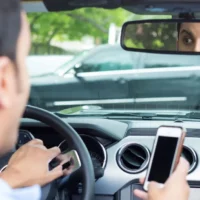
Key Takeaways Why Phone Use Behind the Wheel Matters in Linwood Anyone who drives through Linwood or the Garden State Parkway has likely seen a driver glance at a phone instead of the road. New Jersey takes this seriously, and penalties for handheld phone use increase sharply with each offense. The Linwood car accident lawyers at D’Amato Law Firm regularly see how a few seconds of distraction can change a life, and understanding these penalties explains why local car accidents[…] Read More
Blog
Am I Entitled to Hearing Loss Claims Under Workers’ Compensation?

If you have suffered hearing loss on the job, you may be entitled to Workers’ Compensation benefits that can replace some of your lost earnings and cover your medical treatment. However, you may anticipate a difficult Workers’ Compensation claim because you are dealing with an insurance company that may either deny that you are injured or dispute the connection between your hearing loss and your job. Hearing Loss Is a Common Job-Related Injury Many workers in New Jersey are subject[…] Read More
Your Future After a Catastrophic Injury
Key Takeaways A catastrophic injury often changes a person’s ability to work, care for themselves, and manage daily life. Recovery may involve years of medical treatment, therapy, and adjustments to home and family routines. South Jersey catastrophic injury lawyers help injured people as they pursue the full amount of compensation they deserve under the circumstances. What Qualifies as a Catastrophic Injury? A catastrophic injury is one that causes permanent or long-lasting damage to a person’s body or mind, often preventing[…] Read More