
South Jersey Workers’ Compensation Lawyer
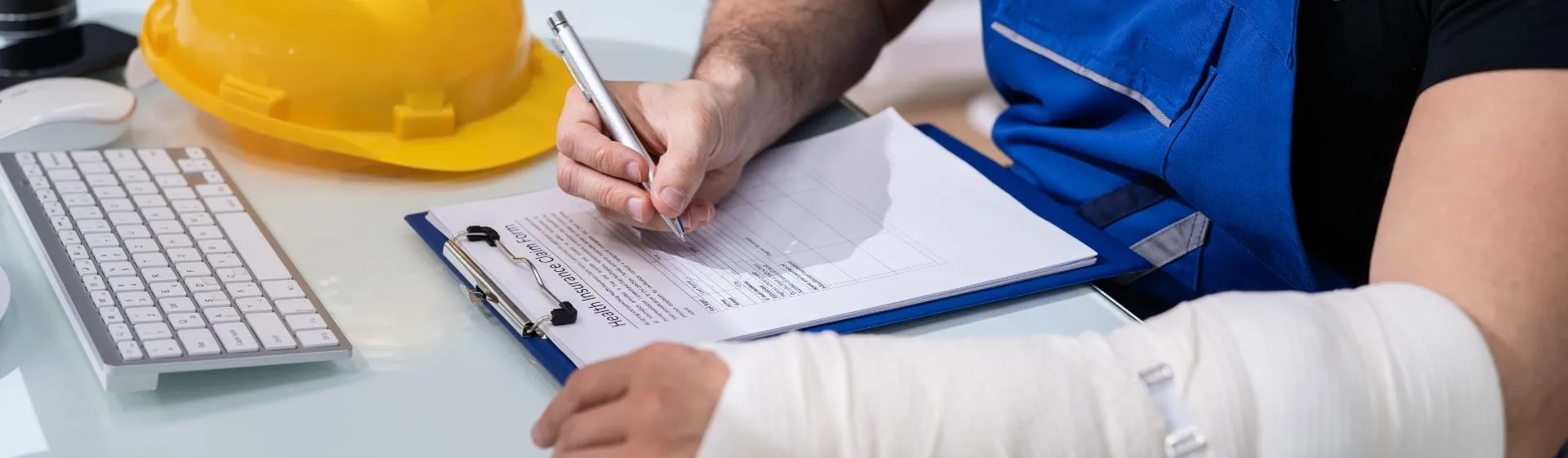
Workplace injuries can disrupt your livelihood, health, and financial stability in an instant. Thankfully, if and when you suffer an injury on the job in South Jersey, New Jersey’s Workers’ Compensation system provides a pathway to benefits that can cover your medical treatment, replace lost wages, and compensate for any permanent disabilities.
Understanding New Jersey’s Workers’ Compensation System
New Jersey operates under a no-fault Workers’ Compensation system, which means that injured employees can receive benefits regardless of who caused the workplace accident. The system applies to nearly all employers and employees from the moment employment begins, with the goal of facilitating cooperative resolution between injured workers, employers, and insurance carriers while providing timely medical and financial support.
Unlike traditional personal injury claims, Workers’ Compensation does not require proof of negligence. Whether you slipped on a wet floor, suffered repetitive stress injuries from daily tasks, or were injured in a transportation accident while performing job duties, coverage typically applies if the injury occurred during the course of employment.
However, this no-fault system comes with an important trade-off: Workers’ Compensation is generally the exclusive remedy, meaning injured employees typically cannot sue their employers directly for workplace injuries.
Types of Workers’ Compensation Benefits Available
The New Jersey Workers’ Compensation system provides several categories of benefits designed to address different aspects of workplace injuries.
Medical Benefits
All necessary and reasonable medical treatment related to your work injury is covered at 100% with no co-pays or deductibles. This coverage can include emergency care, doctor visits, hospitalization, surgery, physical therapy, prescriptions, medical devices, and rehabilitation services. Your employer’s insurance carrier must pay for authorized medical care needed to cure and relieve you from the effects of the injury.
Temporary Total Disability Benefits
If your injury prevents you from working for more than seven days, you may be eligible for temporary disability payments. These benefits generally replace 70% of your average weekly wage, up to a statutory maximum and subject to a minimum weekly amount. Payments are tax-free and may continue until you return to work, reach maximum medical improvement, or receive benefits for 400 weeks, whichever occurs first.
Of note: A waiting period applies before payments begin, and your eligibility window can be affected by how quickly you report the injury and seek treatment.
Permanent Partial Disability Benefits
When your condition stabilizes but you retain some level of permanent impairment, you may qualify for permanent partial disability benefits. These benefits compensate for functional loss and diminished earning capacity, even if you can still perform some job functions.
New Jersey recognizes two categories of permanent partial disability benefits:
- Scheduled Loss Benefits: For injuries to specific body parts listed in the state schedule (such as arms, legs, hands, feet, fingers, toes, eyes, and ears). Compensation is based on a predetermined number of weeks of benefits for each body part.
- Non-scheduled Loss Benefits: For injuries to areas such as the back, neck, head, or internal organs. These are calculated based on how the injury affects your overall ability to work and earn a living, expressed as a percentage of total disability.
Permanent Total Disability Benefits
Workers who cannot return to any gainful employment as a result of their work injury may qualify for permanent total disability benefits. These benefits provide a percentage of your pre-injury average weekly wage for an initial period of weeks and can be extended if you remain unable to earn wages.
Cases involving catastrophic injuries often fall into this category.
Common Workplace Injuries in South Jersey
Understanding the types of injuries that commonly lead to Workers’ Compensation cases can help you recognize when you may have a valid claim.
- Transportation and Vehicle Accidents: Workers whose jobs include driving (e.g., delivery drivers, commercial truckers, and field service employees) face heightened risks of collisions that can result in spinal cord injuries, traumatic brain injuries, and other severe harm.
- Fall-related Injuries: Slip, trip, and fall accidents can be caused by wet or uneven floors, poor lighting, clutter, or falls from heights.
- Equipment and Machinery Injuries: Workers who operate dangerous equipment or machinery may suffer crush injuries, amputations, or deep lacerations if they become caught in or struck by machines.
- Repetitive Motion and Overexertion Injuries: Over time, workers who engage in repetitive movements and heavy lifting may develop conditions such as carpal tunnel syndrome, tendinitis, chronic back pain, and other cumulative trauma injuries that interfere with their ability to work.
- Other Common Workplace Injuries: Additional hazards include being struck by falling objects, exposure to harmful substances, burns, and electric shock.
Even if an injury seems minor at first, you should promptly report your accident and seek medical care, both for your health and for documenting a potential Workers’ Compensation claim.
The Workers’ Compensation Claims Process
Successfully obtaining Workers’ Compensation benefits requires following specific procedures and meeting strict deadlines.
- Reporting Your Injury
You must notify your employer of a work-related injury within the applicable statutory deadlines or risk claim denial. Although verbal notice may be legally sufficient, a written notice provides valuable documentation.
Your report should include the date and time of the incident, where it occurred, what you were doing, how the injury happened, the body parts affected, and any witnesses.
When possible, take photos of the accident scene and obtain contact information from coworkers who saw what happened.
- Seeking Medical Treatment
After notifying your employer, you should be directed to an authorized medical provider. In New Jersey, employers and their insurance carriers generally have the right to select the physicians who treat work-related injuries.
Be sure to explain that your injury is work related so that your treatment is properly documented and billed under Workers’ Compensation rather than private insurance.
Follow all medical recommendations, keep appointments, and comply with restrictions. Gaps in treatment or failure to follow medical advice can be used by insurers to challenge the seriousness of your injury.
- Filing Your Formal Claim
Reporting your injury to your employer is not the same as filing a claim with the Division of Workers’ Compensation. A formal Claim Petition is necessary to protect your rights if benefits are delayed, denied, or terminated.
The Claim Petition typically requires details about you, your employer, the date and circumstances of your injury, the nature of your medical treatment, and how your ability to work has been affected. Filing can be done electronically or by submitting the appropriate forms to the Division of Workers’ Compensation offices.
When Benefits Begin
After your claim is accepted, temporary disability benefits usually begin once you have missed the required number of days from work as a result of your injury and a doctor has certified that you cannot work.
When Your Claim Is Denied or Disputed
Insurance carriers sometimes deny claims or dispute aspects of your case even when you have a legitimate work-related injury, for reasons that commonly include the following allegations:
- That the injury did not occur at work
- That a pre-existing condition is to blame
- That your disability is less serious than claimed
Informal Hearings
If issues arise over medical treatment, temporary disability benefits, or the nature and extent of your permanent disability, you can request an informal hearing before a judge of compensation. During this process, the judge reviews the dispute and may recommend a resolution.
Formal Claim Petitions and Trials
When disputes cannot be resolved informally, a formal Claim Petition may proceed to trial.
At trial, both sides present evidence, including medical records, expert testimony, and witness statements. The judge then issues a decision on disputed issues such as causation, the degree of disability, and entitlement to different categories of benefits.
Appeals
If either party disagrees with the judge’s decision, they may have the right to appeal to the appropriate appellate court.
Settlement Options in Workers’ Compensation Cases
New Jersey law permits different forms of settlements (which you receive after your initial disability benefits to close your Workers’ Compensation case), each with distinct consequences.
Lump-Sum Settlements
One common option is a lump-sum settlement that resolves your claim in exchange for a single payment. Depending on the type of settlement, you may waive your right to reopen the claim or obtain additional benefits in the future.
Structured or Ongoing Benefits
In some cases, settlements provide for continuing weekly benefits based on a negotiated percentage of disability. These arrangements may allow for reopening the claim if your condition worsens within a specified period, but they also impose deadlines and procedural requirements.
Why Legal Representation Matters
Although the Workers’ Compensation system is meant to be accessible, insurers have experience, resources, and legal teams focused on limiting payouts. Injured workers without representation may be pressured into accepting low settlements or may not fully understand the benefits available to them.
An experienced South Jersey Worker’s Compensation lawyer can do the following:
- Gather and present medical evidence that accurately reflects your injuries and limitations.
- Coordinate with treating physicians and independent medical experts.
- Challenge unfair denials, delays, or attempts to prematurely terminate benefits.
- Evaluate settlement offers in light of your long-term medical needs and earning capacity.
- Represent you in hearings, trials, and appeals before the Division of Workers’ Compensation and appellate courts.
South Jersey Workers’ Compensation Lawyers at D’Amato Law Firm Help You Achieve Fair Resolution
When a workplace injury threatens your health and your ability to support yourself or your family, a knowledgeable advocate can make all the difference. Trust the experienced South Jersey Workers’ Compensation lawyers at D’Amato Law Firm to guide you through every stage of the Workers’ Compensation process, from initial reporting and medical treatment through hearings, trials, and settlement negotiations. You can schedule a free initial consultation by filling out an online contact form or by calling us today at 609-926-3300. Our office is in Egg Harbor Township, New Jersey, and we serve clients in the surrounding areas.