
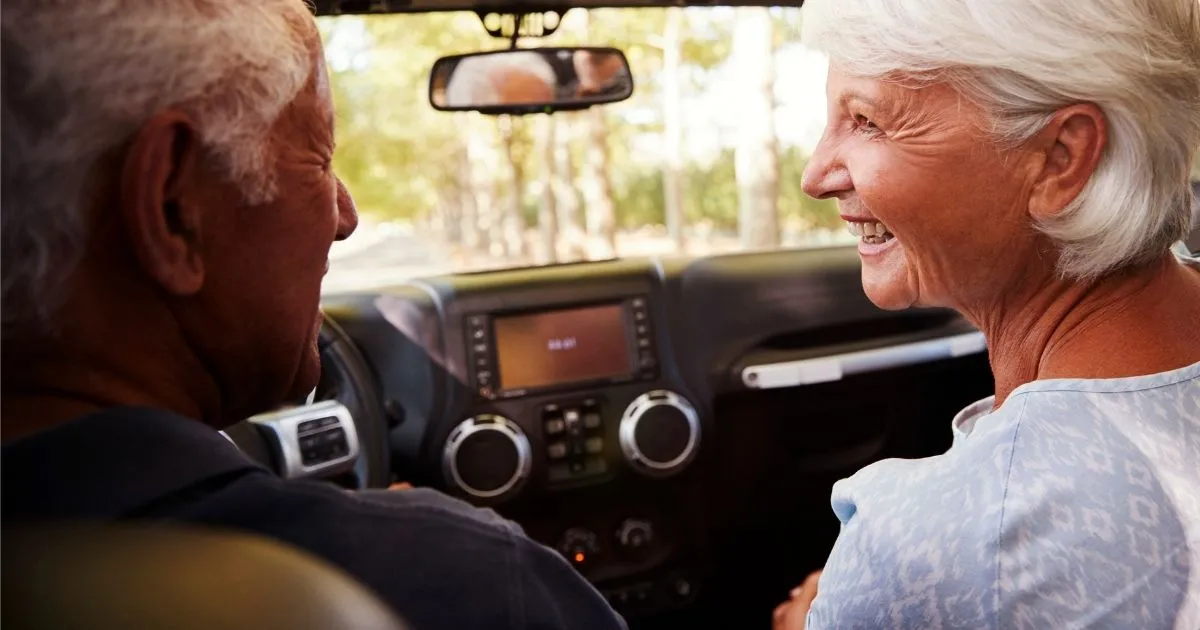
As an older driver, you are allowed to keep driving as long as you are safe to continue doing so. The state may subject you to periodic examinations to determine your fitness to drive. In the meantime, there are safety measures that you can take to recognize that you may not have the level of alertness and dexterity that you had in your younger years. These measures can greatly reduce the risk of a car accident.
Limit Driving at Nighttime
Advancing age can limit your vision and especially your ability to see at night. Your eyes may be slower to adjust to the darkness, and you may be more vulnerable to losing your vision as a result of glare from headlights. As difficult as it may be to judge distance during the day, it is even harder at night. Accordingly, older drivers should often consider limiting their travel to daylight hours. Ironically, older drivers are underrepresented in nighttime car accident statistics because they typically tend to follow this advice.
Remove All Distractions
No matter their age, every driver needs to keep their full focus and attention on the road. This means not doing anything else behind the wheel, such as checking a mobile device or eating and drinking. Older drivers need even greater focus, making it even more crucial that they keep their cell phone off and their eyes on the road.
Allow for Safe Following Distance
Rear-end accidents are the most common type of car crash. Any driver may not be able to stop in time to avoid an accident when they are following too closely behind a vehicle in front of them. Given the potential for diminished reflexes, an older driver should allow for an extra following distance to reduce the risk of a rear-end crash.
Drive in the Right-Hand Lane When Necessary
The left-hand lane is unofficially acknowledged as the “fast lane.” Conversely, the right-hand lane is regarded as the one where slower traffic should proceed. If you are driving in the left-hand lane, you may feel pressure from other drivers to travel at a speed that is above the posted limit. Certainly, you may feel obligated to go faster than you are comfortable with under the circumstances. As such, you should consider remaining in the right-hand lane to the fullest extent possible when you are driving.
Drive at Off-Peak Times
If you are retired from your job, there is nothing that says that you need to be on the roadway during rush hour. There may be times when you have appointments or places where you need to be that require you to drive at those hours. However, you should avoid high-traffic periods if possible. Less congestion on the roadway means that there are fewer hazards for you to deal with behind the wheel.
Avoid Inclement Weather
Rain and snow present the highest level of risks for drivers. If you can plan your schedule accordingly, it makes sense not to be on the roadway during these times. Rain and snow can mean slippery conditions that make it more likely that you may be faced with a sudden and unexpected challenge.
All Motorists Need to Drive Responsibly
Just because one is an older driver does not automatically mean that they are at fault for an accident. Negligence is a legal concept that applies equally to everyone, regardless of their age. It is entirely possible that another driver could have been the one who injured you through their carelessness. In that event, you may be entitled to financial compensation for your injuries if you can prove that the other driver departed from their duty of care.
Linwood Car Accident Lawyers at the D’Amato Law Firm Will Handle the Legal Fight for You
If you have been hurt in any motor vehicle crash, the Linwood car accident lawyers at the D’Amato Law Firm are in your corner as you seek the compensation you deserve. For a free consultation, call us at 609-926-3300 or contact us online. Our office is located in Egg Harbor Township, New Jersey, and we serve clients in the surrounding areas.