

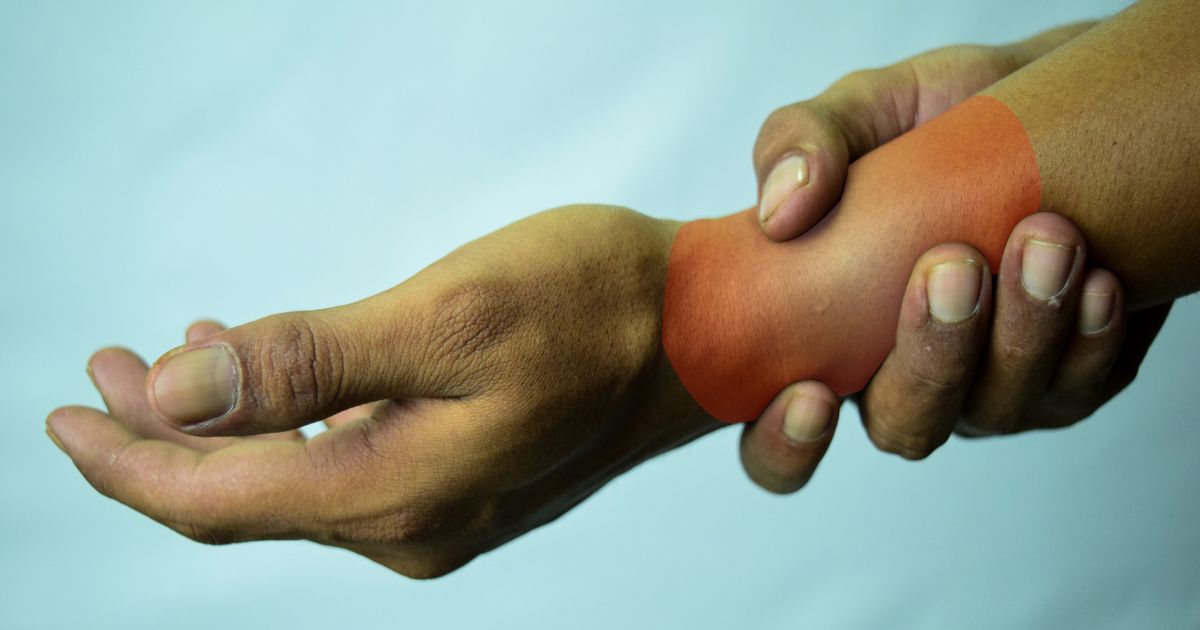
Many people associate workplace injuries with sudden accidents such as falls or equipment malfunctions. However, some of the most common workplace injuries develop slowly over time. Repetitive stress injuries (RSIs) occur when workers perform the same motions repeatedly, placing ongoing strain on muscles, tendons, and nerves. In many cases, these injuries are covered through Workers’ Compensation if they arise from job duties.
Understanding the types of repetitive stress injuries and how Workers’ Compensation applies can help injured workers in New Jersey protect their health and their rights.
What Are Repetitive Stress Injuries?
Repetitive stress injuries are conditions caused by repeated movements, awkward postures, or prolonged physical strain at work. Unlike traumatic injuries that occur during a single incident, RSIs typically develop gradually as the cumulative effect of repetitive tasks.
Workers across many industries can develop these injuries. Jobs that require frequent typing, scanning items, lifting, using vibrating equipment, or performing repetitive manual tasks can all increase the risk of strain-related conditions.
Common symptoms of repetitive stress injuries may include:
- Persistent pain or aching
- Tingling or numbness
- Reduced strength or grip
- Stiffness or limited range of motion
These symptoms often start gradually and worsen over time if the underlying cause is not addressed.
Common Types of Repetitive Stress Injuries
Several types of injuries fall under the category of repetitive stress injuries. Some of the most frequently reported conditions in Workers’ Compensation claims include the following:
- Carpal Tunnel Syndrome: Carpal tunnel syndrome is one of the most well-known repetitive stress injuries. It occurs when the median nerve in the wrist becomes compressed as a result of repeated hand and wrist movements. This condition often develops in workers who type frequently, perform assembly line work, or use hand tools throughout the day.
Symptoms can include tingling, numbness, weakness in the hand, and wrist pain.
- Tendinitis: Tendinitis refers to inflammation of a tendon caused by repeated strain. Workers who perform repetitive lifting, gripping, or twisting motions may develop tendinitis in the shoulders, elbows, wrists, or knees. Over time, untreated tendinitis can make even simple movements painful.
- Tennis Elbow (Epicondylitis): Tennis elbow is caused by repetitive stress to the forearm muscles and tendons. Although the name suggests a sports injury, it commonly affects workers who frequently use tools, lift objects, or perform repetitive arm movements.
This condition can cause pain and weakness in the elbow and forearm, making it difficult to grip or lift items.
- Rotator Cuff Injuries: Rotator cuff injuries involve damage to the muscles and tendons that stabilize the shoulder. Workers who repeatedly lift objects, reach overhead, or perform repetitive shoulder motions may develop tears or chronic inflammation in the shoulder joint.
These injuries can significantly limit mobility and may require physical therapy or surgery in severe cases.
- Back and Disc Injuries: Repetitive lifting, bending, or twisting can also lead to disc degeneration or chronic back strain. These conditions may develop slowly but can cause long-term pain and difficulty performing physical tasks.
Workers’ Compensation Coverage for Repetitive Stress Injuries
In many cases, repetitive stress injuries are covered under Workers’ Compensation if they are caused by job-related duties. Workers’ Compensation systems generally cover injuries that arise out of employment, including cumulative trauma that develops over time.
However, proving a repetitive stress injury can sometimes be more complex than proving a sudden workplace accident. Because these injuries develop gradually, workers may need medical evidence showing that their job duties significantly contributed to the condition.
Protecting Your Rights After a Repetitive Stress Injury
If you believe your job has caused a repetitive stress injury, it is important to seek medical attention as soon as possible and notify your employer. Early diagnosis and documentation can strengthen your Workers’ Compensation claim and help prevent the condition from worsening.
An experienced Workers’ Compensation attorney can also help gather medical evidence, navigate the claims process, and fight for the benefits you deserve.
South Jersey Workers’ Compensation Lawyers at D’Amato Law Firm Help Workers with Repetitive Stress Injuries
Repetitive stress injuries can impact your ability to work and maintain your quality of life. The South Jersey Workers’ Compensation lawyers at D’Amato Law Firm are dedicated to helping injured workers pursue the benefits they need to recover and move forward. Call us at 609-926-3300 or complete our online form to schedule a free consultation. Our office is located in Egg Harbor Township, New Jersey, and we serve clients in the surrounding areas.